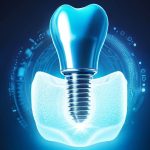
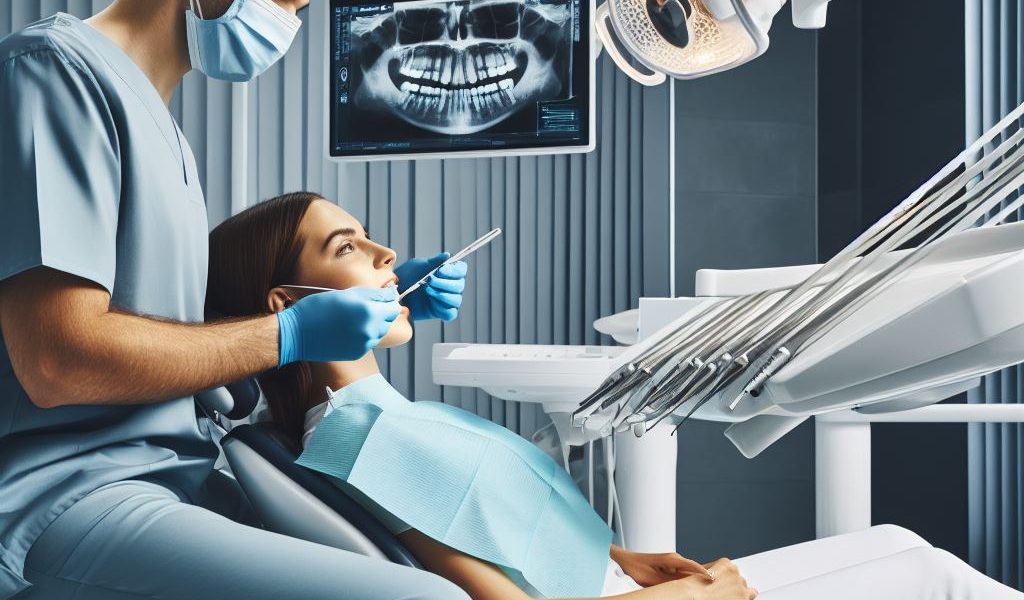
As a gold standard in modern dentistry for restoring missing teeth, dental implants offer stability and functionality close to that of natural teeth. They not only effectively restore a patient’s chewing ability but also recreate the natural appearance of teeth, enhancing the overall facial profile. However, the success of this precise procedure largely depends on the quality of recovery during the 3–6 month osseointegration period following surgery. Many patients experience slow healing, increased risk of infection, or implant loosening due to improper postoperative care. Therefore, scientifically accelerating the healing process and avoiding complications becomes a central concern in postoperative management. This article systematically outlines the full-cycle management—from immediate postoperative care to long-term maintenance—covering key areas such as wound protection, dietary adjustments, and oral hygiene, providing patients with professional and practical guidance to achieve long-term implant stability and optimal function.
1. Following Your Dentist’s Instructions is Crucial
After a dental implant procedure, the dentist will develop a personalized postoperative care plan based on the patient’s individual conditions, such as bone quality, implant type, and surgical complexity. This plan typically covers details such as the frequency of cold compresses within the first 24 hours, the transition from liquid to soft foods, the duration of using specific antimicrobial mouthwashes, and the recommended head elevation angle during sleep. Strictly following these professional instructions is essential for ensuring smooth osseointegration—studies show that patients who do not adhere to oral hygiene instructions have over three times the risk of developing peri-implantitis. Even if swelling subsides or pain diminishes within 3–5 days after surgery, it is still necessary to complete the full 10–14 day antibiotic course and attend scheduled follow-ups. Any modifications to the care plan should only be made after clinical examinations and imaging assessments by the dentist.
2. Maintain Good Oral Hygiene
Oral hygiene acts as an “invisible shield” for dental implant healing, directly influencing the efficiency of osseointegration. Within the first 24 hours after surgery, avoid brushing, but gently clean the surgical area using a dentist-prescribed irrigator. After 48 hours, a child’s soft-bristled toothbrush can be used at a 45-degree angle to gently clean adjacent teeth in circular motions, taking care to avoid crusted areas on the implant surface. Using an alcohol-free 0.12% chlorhexidine mouthwash three times daily (after meals and before bed), rinsing for 30 seconds each time, can reduce peri-implant plaque accumulation risk by up to 76%. Additionally, during the first two weeks, avoid using sharp cleaning tools such as toothpicks or water flossers, which may disrupt the blood clot and cause secondary bleeding.
3. Proper Diet and Nutritional Management
Postoperative dietary management should follow a “gradual transition” principle:
- Days 1–3: Consume room-temperature liquid foods such as rice soup or vegetable juice.
- Days 4–7: Transition to pureed foods like pumpkin porridge or steamed egg custard.
- After 2 weeks: Gradually resume soft foods such as steamed fish and tofu.
Nutritional intake should follow the “three rich, one limited” approach:
- Ensure 500g of vitamin C-rich fruits and vegetables daily (kiwi, bell peppers).
- 1000mg of calcium per day (low-fat milk, cheese).
- 80g of high-quality protein daily (chicken breast, deep-sea fish).
- Limit refined sugar intake to prevent local metabolic imbalances.
Special reminder: During the first month, avoid suction actions (e.g., drinking through a straw) to prevent negative pressure that may cause hematoma formation around the implant.
4. Stay Well-Hydrated
Hydration acts as a “natural lubricant” for the body’s healing process. It is recommended to drink 1.5–2 liters of water daily (about 6–8 cups), in small sips throughout the day. Adequate water intake helps keep oral mucosa moist, reduces bacterial adhesion, promotes blood circulation, and accelerates the removal of metabolic waste. Avoid sugary drinks (such as soda or fruit juice) and high-caffeine beverages (like strong tea or coffee), as they may alter local osmotic pressure or cause vasoconstriction, interfering with healing. Carrying a thermos and developing a habit of regular drinking is highly recommended.
5. Avoid Smoking and Limit Alcohol
Nicotine and alcohol are known “healing inhibitors.” Studies show that smokers have a 2.3 times higher implant failure rate than non-smokers. Nicotine constricts blood vessels, reducing blood supply to the surgical area by over 50%, while alcohol suppresses immune cell activity, increasing infection risk by approximately 40%. It is advised to completely quit smoking for at least 4 weeks post-surgery; if quitting is difficult, nicotine patches can be used as a transitional aid. Alcohol should be strictly limited: completely abstain for the first 2 weeks, and if drinking afterward, limit to no more than one standard unit per day (e.g., 100 ml red wine).
6. Pain and Swelling Management
The first 48 hours after surgery are typically the peak period for pain and swelling. Effective management can significantly improve comfort:
- Pain medication: Take as prescribed at regular intervals (e.g., ibuprofen every 6–8 hours); do not wait until pain occurs.
- Cold compress: Wrap an ice pack in a towel, apply for 15 minutes with a 1-hour interval between applications to prevent frostbite.
- Sleeping position: Elevate the head by about 30 degrees to reduce swelling through gravity.
Seek immediate medical attention if any of the following “warning signs” appear: persistent throbbing pain not relieved by medication, yellow discharge from the surgical site, or facial swelling spreading to the neck—these may indicate infection or hematoma formation.
7. Avoid Excessive Physical Activity
The first 72 hours after surgery are the “golden rest period” for tissue repair. Strenuous exercise may cause capillary rupture or micro-movement of the implant. Activities that increase intracranial pressure—such as running, jumping, or weightlifting—should be avoided. Light activities, such as walking, are allowed for no more than 30 minutes per day. If you notice increased bleeding at the surgical site or a rapid heartbeat, stop the activity immediately and lie down to rest. When standing up or bending over during daily routines, move slowly to prevent sudden blood pressure changes that could trigger bleeding.
8. Take Prescribed Medications on Time
Antibiotic courses must strictly follow the “full dose, full duration” principle. For example, amoxicillin capsules are typically taken three times a day for 5–7 consecutive days; even if symptoms improve earlier, do not stop the medication without consulting your dentist. Painkillers are recommended to be taken with food to minimize gastrointestinal irritation. Any adverse reactions, such as rashes or diarrhea, should be reported to your doctor promptly.
Special reminders:
- Avoid taking anticoagulants, such as aspirin, during the first 2 weeks post-surgery to prevent abnormal bleeding or hematoma formation at the implant site.
- Store all medications in a cool, dry place, out of reach of children.
9. Attend Regular Follow-Ups
Postoperative follow-ups serve as a “dynamic monitoring station” to ensure the long-term success of dental implants. Typically:
- 1 week post-surgery: First check to assess wound healing.
- 2 weeks post-surgery: Evaluate soft tissue closure.
- 1 month post-surgery: X-rays confirm early bone integration.
- 3–6 months post-surgery: Final stability assessment.
During follow-ups, the dentist will measure the peri-implant pocket depth using a specialized probe and assess bone resorption via CBCT imaging. If implant neck exposure exceeds 1 mm or persistent bleeding is detected upon probing, immediate intervention is required. It is recommended to set dual reminders in your phone calendar for each follow-up to avoid missing appointments and disrupting the treatment process.
10. Get Adequate Rest and Be Patient
The first 1–2 weeks post-surgery are the “silent growth phase” for tissue repair. Aim for 7–8 hours of quality sleep daily. While sleeping:
- Prefer a side-lying position with the non-surgical side down.
- Place a thin pillow between the knees to maintain natural spinal curvature and reduce pressure on the surgical area.
During the day, practices like meditation or deep breathing (3 times daily, 5 minutes each) can help reduce anxiety.
Special attention: even if the implant feels stable after 4 weeks, avoid chewing hard foods (like nuts) on the surgical side. Full osseointegration typically requires 3–6 months of clinical observation. Keeping a daily log of diet and oral hygiene can help track progress and maintain patience and confidence throughout the recovery period.
11. Monitor the Surgical Site
The 7–10 days post-surgery period is a high-risk window for complications, so it is recommended to examine the implant area twice daily using a small mirror. Normal healing typically appears as a light pink color gradually turning to pale white. Warning signs of potential issues include:
- Bright red blood clots
- Yellow-green purulent discharge or unpleasant odor
- Persistent or worsening pain
Pain should gradually decrease over time. If, after 3 days, pain scores remain above 4 (on a 0–10 scale) or you are awakened at night due to pain, be alert for complications such as dry socket.
It is helpful to maintain a dedicated observation log, noting daily changes in swelling (using a coin for scale and drawing a circle, for example). This provides accurate information for your dentist during follow-ups.
12. Long-Term Oral Care
Maintenance of dental implants should follow the principle of “prevention over treatment.” Key practices include:
- Daily cleaning: Use a single-bristle implant-specific toothbrush along with interdental brushes to clean adjacent surfaces at least twice a day.
- Professional maintenance: Once a year, undergo professional implant care including air polishing, surface polishing, and plaque-disclosing checks to remove any titanium surface deposits.
- Avoid excessive force: Do not use implants to open bottles, bite nuts, or perform other high-stress activities. The load-bearing capacity of a single implant is approximately 30 kg; excessive force may cause microcracks.
- Radiographic monitoring: Take a CBCT scan every 2 years to assess bone resorption. If bone loss exceeds one-third of the implant length, bone augmentation procedures may be required.
Conclusion
Accelerating dental implant healing requires a multidimensional, coordinated management approach, centered on a “professional guidance + scientific care + healthy habits” framework.
First, strictly following your dentist’s instructions forms the foundation. Every detail—from medication dosage to follow-up schedules—directly affects osseointegration. Studies show that patients who fully adhere to postoperative instructions have a 42% higher implant survival rate compared to those who adjust care on their own.
Second, maintaining oral hygiene should follow a systematic routine. Daily cleaning with a soft-bristled toothbrush at a 45-degree angle, combined with chlorhexidine-based antimicrobial mouthwash, provides dual protection and can reduce the risk of peri-implantitis by 68%.
Lifestyle management is equally important. During the first 2 weeks post-surgery:
- Ensure 7–8 hours of quality sleep each night; elevating the head by 15 degrees can reduce swelling in the surgical area.
- Completely avoid smoking and alcohol, as nicotine slows bone integration by 30% and alcohol may cause local vasodilation and bleeding.
Dietary care should follow a “three-phase transition”:
- Days 1–3: Liquid foods (e.g., bone broth, rice porridge)
- Days 4–7: Soft foods (e.g., steamed eggs, tofu)
- After 2 weeks: Gradually return to regular foods
During this period, ensure daily intake of 1000 mg calcium and 500 g of vitamin C-rich fruits and vegetables.
Regular follow-ups serve as dynamic monitoring checkpoints. Four core visits—1 week, 1 month, 3 months, and 6 months—correspond to wound healing assessment, early bone integration evaluation, stability testing, and final functional assessment. Even after complete healing, biannual professional maintenance is essential, including implant surface polishing and plaque index checks.
Through this full-cycle management approach, average healing time can be reduced from 3 months to 2.5 months, and the 10-year implant survival rate can reach over 95%, achieving the ultimate goal of “one implant, lifelong benefit” for oral health.